Shanghai Zhongda Cancer Hospital上海中大肿瘤医院
Liver Cancer Treatment肝癌治疗
This guide is about primary liver cancer in adults, with emphasis on the most common type, hepatocellular carcinoma. It covers types, stage, risk factors, symptoms and treatment choices. Early liver cancer may cause no obvious symptoms. People at higher risk should be monitored on the schedule a doctor recommends.本手册介绍成人原发性肝癌,以最常见的肝细胞癌为重点,涵盖类型、分期、危险因素、症状及治疗选择。肝癌早期可能没有明显症状,高风险人群应按医生建议定期监测。

Patient information患者信息
From the patient education guide来自患者教育手册
The sections follow the brochure: what the cancer is, how stage is described, risk factors, changes to notice, and treatment choices.以下各节按手册顺序介绍:什么是这种癌症、分期如何描述、危险因素、需要留意的变化,以及治疗选择。
Stage includes liver function and fitness分期包括肝功能和身体状况
Surgery, ablation, catheter treatment and medicines手术、消融、导管治疗和药物
What liver cancer is什么是肝癌
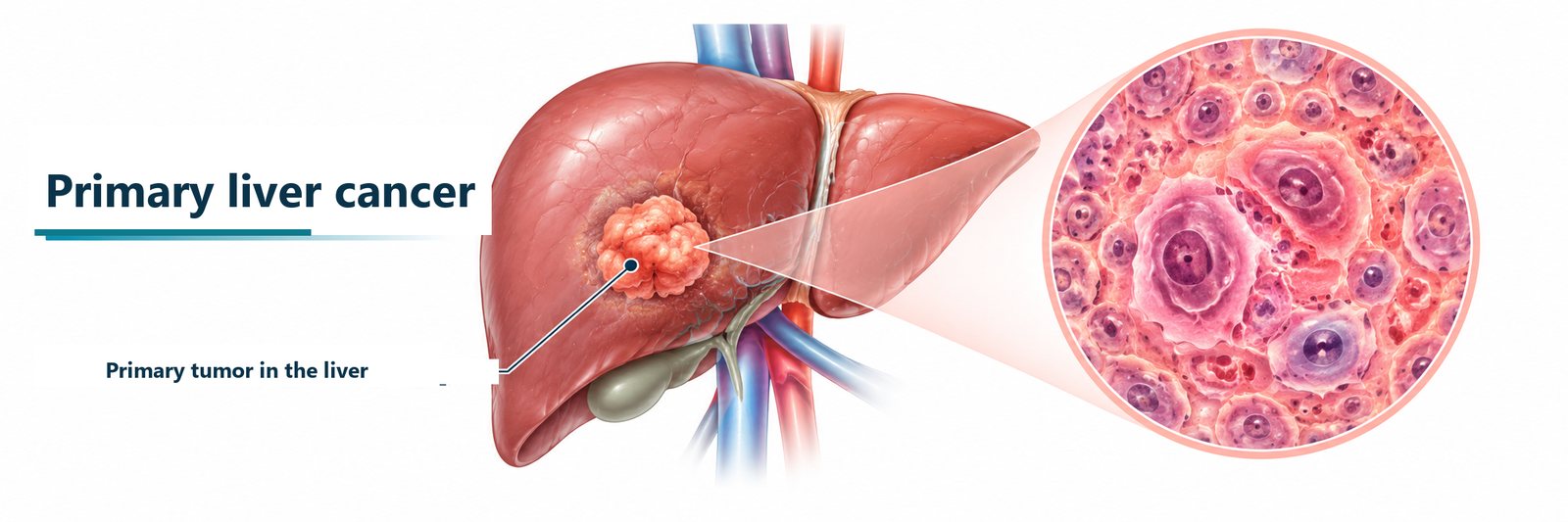
Primary liver cancer is a malignant tumor that starts in the liver. It can invade blood vessels or spread elsewhere. Cancer that starts in another organ and spreads to the liver is a liver metastasis, not primary liver cancer.原发性肝癌是起源于肝脏的恶性肿瘤,可侵犯血管或转移至其他部位。其他器官的癌转移到肝脏,称为肝转移瘤,不属于原发性肝癌。
A liver nodule or an abnormal alpha-fetoprotein (AFP) result is not the same as liver cancer. Doctors combine risk factors with contrast CT or MRI, and use pathology when it is needed.肝脏结节或甲胎蛋白(AFP)异常不等于肝癌,需结合风险因素、增强CT或磁共振等评估,必要时进行病理检查。
Types of liver cancer肝癌的类型
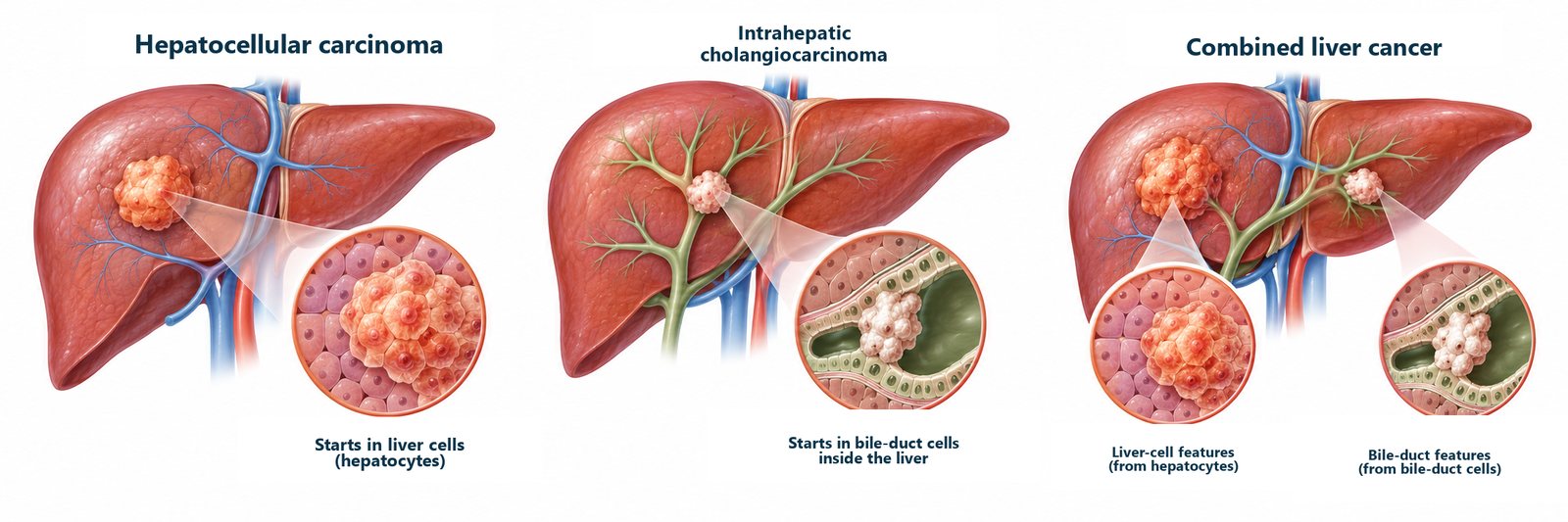
Hepatocellular carcinoma starts in liver cells. It is the most common primary liver cancer in adults and is often seen in people with chronic liver disease. Intrahepatic cholangiocarcinoma starts in the lining of bile ducts inside the liver. Its staging and treatment differ from hepatocellular carcinoma.肝细胞癌起源于肝细胞,是成人原发性肝癌最常见的类型,常见于有慢性肝病背景的人群。肝内胆管癌起源于肝内胆管上皮,其分期和治疗与肝细胞癌不同。
Combined hepatocellular carcinoma and intrahepatic cholangiocarcinoma has features of both and is less common. The specialist team uses the available tests to decide the type. In some people at high risk, a typical hepatocellular carcinoma can be diagnosed by accepted imaging standards. Not every person needs a biopsy.混合型肝细胞癌和肝内胆管癌同时具有两类肿瘤特征,较少见。具体类型由专科团队结合检查判断。部分高风险患者的典型肝细胞癌可按规范影像标准诊断,并非每位患者都必须穿刺。
How liver cancer is staged肝癌的分期
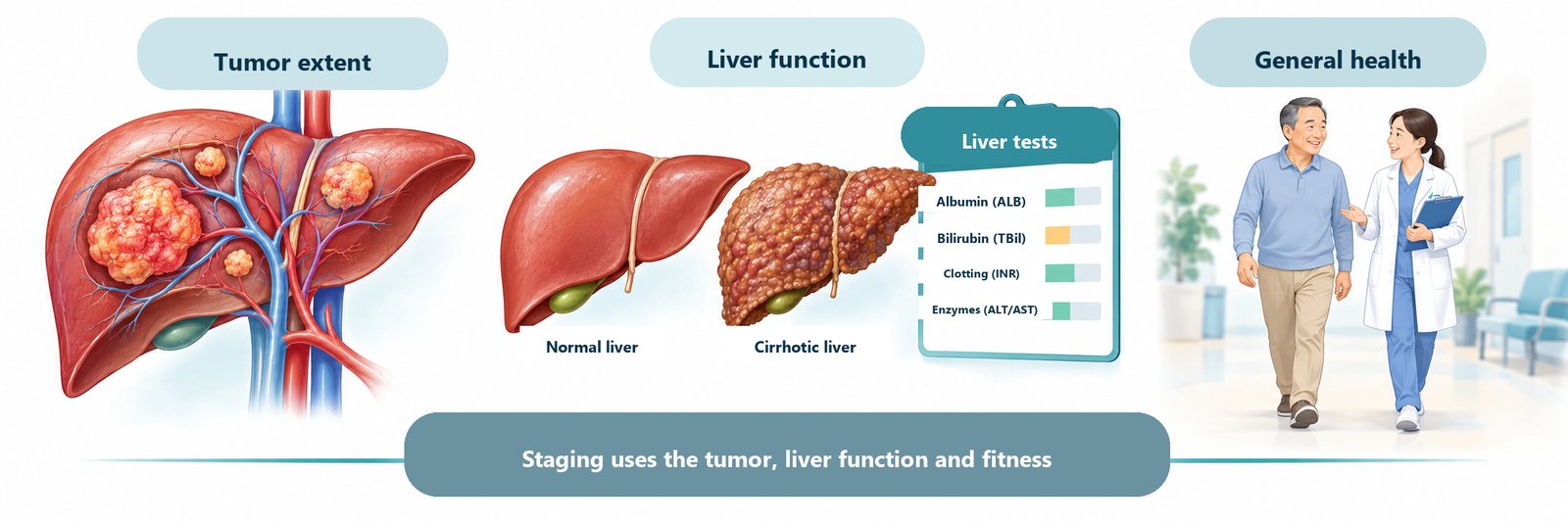
For hepatocellular carcinoma, stage is not based on tumor size alone. It also considers the number of tumors, blood-vessel invasion or spread outside the liver, liver function and physical fitness. Clinicians may use the China liver cancer staging system (CNLC), the Barcelona Clinic Liver Cancer system (BCLC) or another system. The BCLC outline below is simplified and does not match other systems stage for stage.肝细胞癌分期不仅看肿瘤大小,还要看数量、血管侵犯或肝外转移、肝功能及体能状态。临床可使用中国肝癌分期(CNLC)、巴塞罗那分期(BCLC)等体系。以下用BCLC作简化介绍,不能与其他体系逐级直接对应。
Stage 0 and stage A are called very early and early. The tumor burden is usually smaller, and liver function and general condition are relatively good, so resection, ablation or transplant may be assessed. Stage B, the intermediate stage, usually means several tumors inside the liver, without major vessel invasion or spread outside the liver, and with liver function and fitness that are still reasonably good. Treatment needs a further layered assessment.0期与A期分别称为极早期和早期,通常肿瘤负荷较小、肝功能及身体状况相对较好,可评估切除、消融或移植等治疗。B期为中期,通常为肝内多发病灶,尚无大血管侵犯或肝外转移,肝功能和身体状况仍较好;治疗需进一步分层评估。
Stage C, the advanced stage, may include vessel invasion, spread outside the liver, or a related change in fitness. Systemic therapy and other combined treatment are usually considered. Stage D, the terminal stage, is usually linked to severe loss of liver function or very poor fitness. The focus is symptom control and supportive care, while any special option such as transplant is still assessed.C期为进展期,可存在血管侵犯、肝外转移或相应体能状态变化,通常需要评估系统治疗及其他综合治疗。D期为终末期,通常与严重肝功能损害或很差的体能状态有关;以症状控制和支持照护为重点,同时评估是否存在移植等特殊治疗机会。
Stages are not a timetable that every patient passes through, and symptoms alone cannot decide the stage. Intrahepatic cholangiocarcinoma and other types have their own staging methods. The stage given by the doctor is the one to use.分期不是患者必经的时间顺序,也不能单凭症状判断。肝内胆管癌等其他类型有各自的分期方法,应以医生给出的分期结论为准。
Risk factors肝癌的危险因素
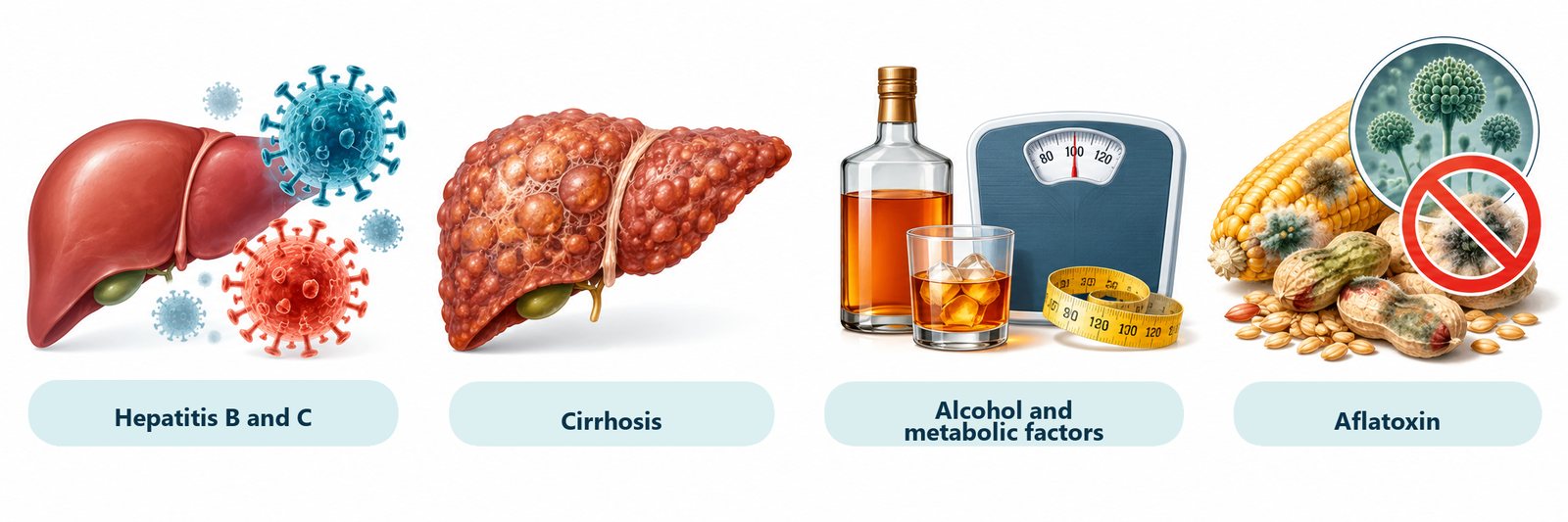
Important risk factors for hepatocellular carcinoma include chronic hepatitis B or C, cirrhosis from any cause, long-term heavy drinking, metabolic dysfunction-associated steatotic liver disease, and aflatoxin exposure. Obesity, diabetes, smoking and some inherited diseases are also related to risk.肝细胞癌的重要危险因素包括慢性乙型或丙型肝炎、各种原因导致的肝硬化、长期大量饮酒、代谢相关脂肪性肝病,以及黄曲霉毒素暴露。肥胖、糖尿病、吸烟和某些遗传性疾病也与风险有关。
Hepatitis B vaccination as recommended, standard treatment of hepatitis B or C, avoiding alcohol and smoking, and managing weight and metabolic problems can lower risk. Do not eat moldy grain or nuts. Antiviral treatment lowers the risk of liver cancer but does not remove it completely, so planned monitoring is still needed.按接种建议预防乙肝,规范治疗乙肝或丙肝,避免饮酒和吸烟,控制体重及代谢问题,有助于降低风险。不食用霉变谷物和坚果。抗病毒治疗可降低肝癌风险,但不能完全消除风险,仍需按计划监测。
Symptoms to notice肝癌的症状
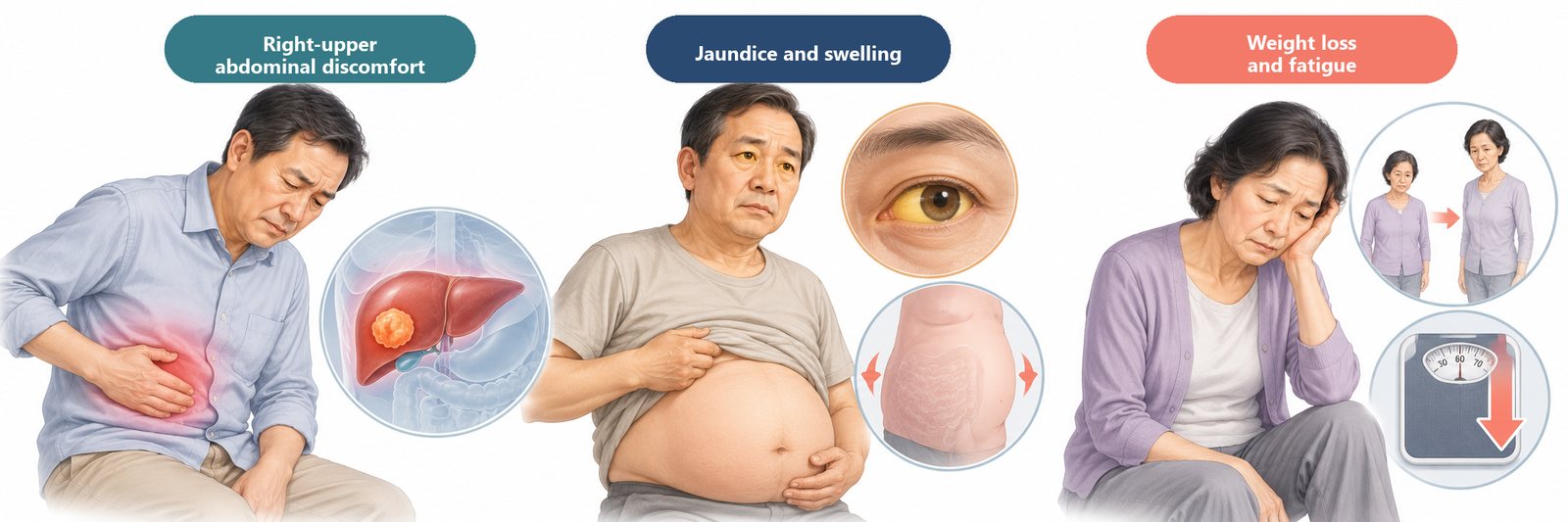
Early liver cancer may cause no obvious symptoms. When symptoms appear, they can include discomfort or pain in the right upper abdomen, loss of appetite, nausea, fatigue and unexplained weight loss. Swelling of the abdomen, ascites, or yellowing of the skin or whites of the eyes can also occur. Other liver diseases can cause the same problems, so they should be checked promptly.早期肝癌可能没有明显症状。出现症状时,可表现为右上腹不适或疼痛、食欲减退、恶心、乏力、不明原因消瘦,也可能出现腹胀、腹水、皮肤或眼白发黄。上述表现也可由其他肝病引起,应及时就医排查。
Sudden severe abdominal pain with dizziness or fainting, vomiting blood, black stools, or a change in consciousness needs emergency care. In a person with cirrhosis, these can also be serious complications and should not be watched at home.若出现突发剧烈腹痛并伴头晕或晕厥、呕血或黑便、意识异常等情况,应立即急诊。肝硬化患者出现这些表现也可能是严重并发症,不应在家等待观察。
Treatment choices可以使用的治疗方式
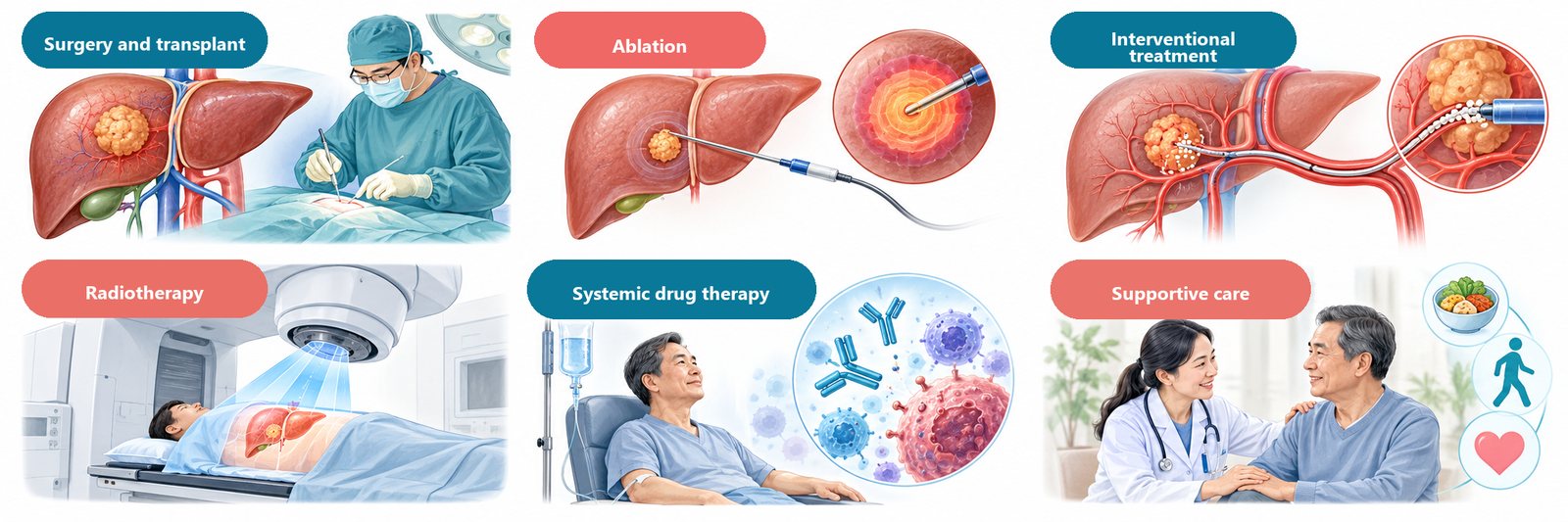
The options below focus on hepatocellular carcinoma. The plan depends on the extent of the tumor, liver function and general health. Intrahepatic cholangiocarcinoma and combined tumors need a separate assessment. The order is for reading, not a ranking of benefit or the sequence of treatment. Every treatment has risks. Leaving a risk unlisted does not mean there is no risk. Benefit varies from person to person.以下以肝细胞癌为主,治疗需结合肿瘤范围、肝功能及身体状况制定;肝内胆管癌和混合型肝癌需另行评估。以下顺序为介绍顺序,不代表疗效排名或治疗先后。各种治疗均有风险,未单列风险不表示没有风险,具体获益因人而异。
1.Surgery, including resection and transplant手术治疗,包括切除与肝移植
For people who are suitable for surgery, removing the tumor can offer treatment with cure as the goal. The specimen can also clarify the pathology. In carefully selected people, a liver transplant can treat both the tumor and severe underlying liver disease.适合手术的患者可通过切除病灶获得以治愈为目标的治疗机会,切除标本也可帮助明确病理。严格筛选后的肝移植可同时处理肿瘤和严重基础肝病。Surgery can cause bleeding, infection, bile leak and liver failure after the operation, so the function of the remaining liver must be assessed. Cancer can still return after resection. Transplant also depends on a donor liver and on meeting selection criteria. Rejection is possible, and long-term immunosuppressant medicines and follow-up are usually needed.手术可能发生出血、感染、胆漏及术后肝功能衰竭,需要评估剩余肝脏功能。切除后仍可能复发。移植还受供肝和入选条件限制,存在排斥反应,通常需要长期使用免疫抑制药物并随访。2.Minimally invasive interventional techniques微创介入技术
The focus here is catheter treatment through the hepatic artery, including transarterial chemoembolization (TACE) and hepatic artery infusion chemotherapy (HAIC). Their mechanisms and uses differ. Ablation and some seed-implantation techniques are also interventional in a broader sense, and they are described separately.此处重点介绍经导管肝动脉治疗,例如经导管动脉化疗栓塞(TACE)和肝动脉灌注化疗(HAIC)。两者机制及适用情况不同。广义介入还包括消融和部分粒子植入技术,本手册将其单独介绍。A catheter is usually passed through a blood vessel to the target vessel, without open removal of the liver. TACE delivers medicine and embolic material to the tumor's blood supply and can help with local control in suitable patients. HAIC infuses chemotherapy into the hepatic artery. After combined treatment, some people become able to have further local treatment.通常经血管穿刺将导管送至目标血管,无需开腹切除。TACE可将药物和栓塞材料送至肿瘤供血区域,在合适患者中帮助局部控制;HAIC可向肝动脉输注化疗药物。部分患者经综合治疗后可获得进一步局部治疗的机会。The choice depends on liver function, tumor burden, portal-vein blood flow and spread outside the liver. The techniques are not interchangeable. Whether treatment should be repeated or combined with other care is decided by the specialist team.需结合肝功能、肿瘤负荷、门静脉血流及肝外转移等选择,不同技术不能互相等同。是否需要重复或联合其他治疗,由专科团队决定。3.Iodine-125 seed implantation碘-125粒子植入术
Under image guidance and a dose plan, iodine-125 seeds or seed strands are placed near a selected target. They give continuous local low-dose-rate radiation. This is brachytherapy.在影像引导和剂量计划下,将碘-125粒子或粒子条置于选定靶区附近,持续进行局部低剂量率照射,属于近距离放射治疗。The radiation can be concentrated on the target area, and careful planning helps control the dose to surrounding tissue. For carefully selected people with hepatocellular carcinoma and portal-vein tumor thrombus, it can be one part of combined treatment and help control the thrombus locally. Used with a stent, it can help keep the portal vein open.可将照射较集中地作用于目标区域,规范规划有助于控制周围组织受照剂量。对经严格筛选的部分肝细胞癌伴门静脉癌栓患者,可作为联合治疗的一部分,帮助局部控制癌栓;与支架联合时可辅助维持门静脉通畅。It is not the routine first choice for every liver cancer, and it does not replace systemic therapy when that is needed. Current evidence and indications are limited. An experienced multidisciplinary team should assess the person, verify the dose, arrange follow-up and follow radiation-protection rules. Iodine-125 implantation is not the same as yttrium-90 radioembolization.并非所有肝癌的常规首选,也不能代替所需的系统治疗。现有证据和适用范围有局限,需要有经验的多学科团队评估、剂量验证和随访,并遵守放射防护要求。碘-125植入不同于钇-90放射性栓塞。4.Local ablation局部消融治疗
Radiofrequency or microwave ablation uses local energy to destroy the tumor and can preserve more normal liver. For a suitable small tumor, it can be a locally curative option, and some people can be treated again.射频或微波消融等通过局部能量破坏肿瘤,可保留较多正常肝组织。对于合适的小肿瘤,可作为根治性局部治疗选择,部分患者可重复治疗。Pain, fever, bleeding, infection, or injury to a bile duct or a nearby organ can occur. Tumor can also remain or come back locally. The result depends on tumor size, number and position. Lesions near large vessels or important structures need a particular assessment.可能出现疼痛、发热、出血、感染或胆管及邻近器官损伤;也可能残留病灶或局部复发。疗效受肿瘤大小、数量及位置影响,大血管或重要结构附近病灶需特别评估。5.Systemic drug therapy系统药物治疗
Immunotherapy, targeted therapy and suitable combinations can act on disease throughout the body. They can help some people with advanced disease control the cancer and live longer. Regimens differ by pathology. Intrahepatic cholangiocarcinoma may also be treated with chemotherapy or with targeted therapy guided by testing.免疫治疗、靶向治疗及适当的联合方案可作用于全身病灶,帮助部分进展期患者控制疾病并延长生存。不同病理类型方案不同,肝内胆管癌还可能使用化疗或检测指导的靶向治疗。Not everyone benefits, and resistance can develop. Targeted drugs can cause high blood pressure, diarrhea or hand-foot skin reactions. Some anti-angiogenic drugs carry a risk of bleeding. Immunotherapy can cause immune-related hepatitis, pneumonitis or endocrine problems. Chemotherapy can suppress the bone marrow and cause nausea. Liver function and other side effects need monitoring.并非所有患者都获益,可能出现耐药。靶向药可引起高血压、腹泻、手足皮肤反应等;部分抗血管生成药有出血风险。免疫治疗可引起免疫相关肝炎、肺炎或内分泌异常;化疗可能造成骨髓抑制和恶心等。需监测肝功能及其他不良反应。6.Supportive and palliative care支持与姑息治疗
This care relieves pain, ascites and other symptoms, and provides nutrition and psychological support. It can be given together with cancer treatment. Underlying liver disease and any needed antiviral treatment should be managed at the same time.缓解疼痛、腹水等症状,提供营养和心理支持,改善生活质量,可与抗肿瘤治疗同时开展。基础肝病和必要的抗病毒治疗也需同步管理。The main aim is symptom relief. It does not usually remove the tumor by itself. Medicines and procedures can also cause side effects. Pain medicines may cause drowsiness or constipation, and diuretics may affect kidney function and electrolytes, so monitoring and adjustment are needed.主要目标是缓解症状,通常不能单独清除肿瘤。具体药物或操作也可能产生副作用,例如止痛药可能引起嗜睡或便秘,利尿药可能影响肾功能及电解质,需要监测和调整。
Questions you can ask可以询问的问题
- What does the diagnosis and stage mean?诊断和分期是什么意思?
- Which tests or records are still needed?还需要哪些检查或资料?
- What options could be considered and why?可以考虑哪些选择,原因是什么?
- What risks, side effects or alternatives matter?哪些风险、副作用或替代方案需要了解?
Educational information only. A qualified clinician should review your personal medical records before care decisions are made.以上为科普信息。做出诊疗决定前,应由合格的临床医生查看您的病历。
Related information相关信息
Explore treatment technologies了解治疗技术
Technology pages describe topics to discuss with a clinician; they do not determine which care is appropriate.技术页面只说明可以和医生讨论的话题,不能决定哪种治疗适合您。
Technology技术Interventional TherapyInterventional TherapyImage-guided procedures that may be discussed for selected tumors after specialist assessment.Image-guided procedures that may be discussed for selected tumors after specialist assessment.View details查看详情  Technology技术CryotherapyCryotherapyA minimally invasive technique that uses controlled cooling for selected clinical situations.A minimally invasive technique that uses controlled cooling for selected clinical situations.View details查看详情
 Technology技术Combined KnifeCombined KnifeA focused interventional approach discussed within a wider multidisciplinary care plan.A focused interventional approach discussed within a wider multidisciplinary care plan.View details查看详情
Patient stories患者故事
Related experiences相关经历
Examples on this demonstration site are illustrative content, not verified patient testimonials.本站示例仅用于说明,不是经核实的患者证词。